
Pruning
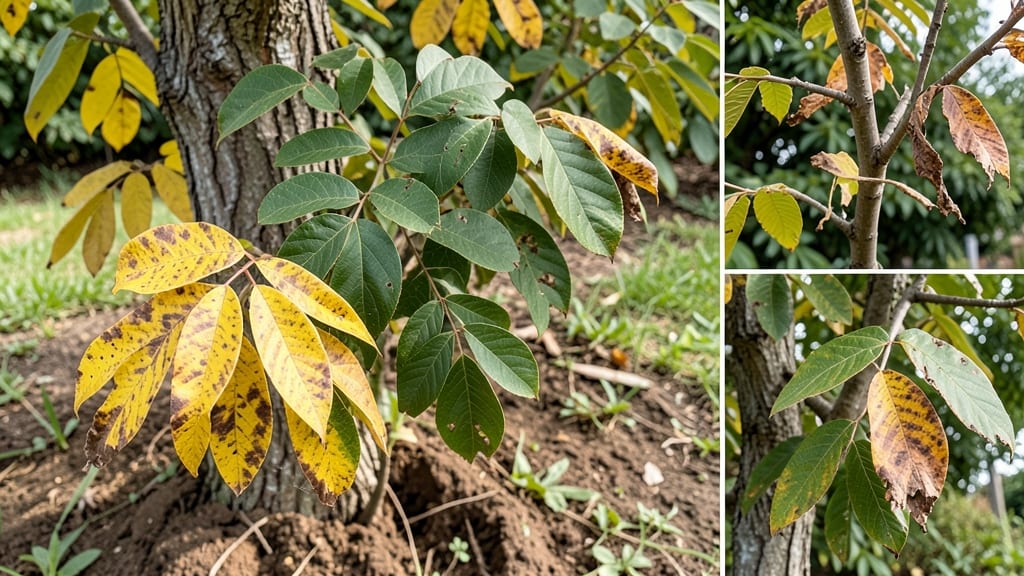
The problems with Chinese pistache trees turn my neighborhood streets into golden canopies—but those yellowing leaves and sticky branches tell a different story. 🌿 I’ve spent years diagnosing why these drought-resistant darlings act up, and the fixes are simpler than you’d think, especially when you catch the problem early.
The usual suspects? Spider mites hiding on the undersides of leaves, scale insects gluing themselves to branches, or powdery mildew turning foliage into a ghostly white mess. Even environmental stress—like sudden drought or poor soil—can trigger that dreaded yellowing. The good news?
Most issues respond to targeted care, not drastic measures. By the end of this guide, you’ll spot the early warning signs (like webbing or sticky residue) and know exactly how to treat them—whether it’s a spray, a pruning cut, or a soil boost.
Your tree’s lush green comeback starts here, and it’s easier than you’d expect. Let’s turn those stressed branches into thriving canopies again. The first step? Knowing what’s really wrong with your Chinese pistache.
Root Causes Behind Leaf Trouble
Understanding why your Chinese pistache (Pistacia chinensis) develops yellowing leaves or falls prey to pests starts with its environmental and biological needs. This drought-tolerant yet adaptable tree thrives in well-drained soil and full sun, but even minor imbalances can trigger stress responses.
Below, we break down the key culprits behind common issues—so you can address them before they worsen.
Chinese pistaches are resilient, but they despise soggy or nutrient-poor soil. Here’s why yellowing or stunted growth happens:
- Compacted or Waterlogged Soil - Pistaches hate "wet feet"—their roots need oxygen to function.
Heavy clay or overwatering forces roots to suffocate, leading to chlorosis (yellowing) as the tree struggles to uptake nutrients like iron and magnesium. - Actionable fix: Test soil drainage (dig a hole, fill with water—if it drains in <1 hour, it’s good; if it pools, amend with sand or compost).
- Nitrogen or Iron Deficiency - Yellowing between veins (interveinal chlorosis) often signals iron deficiency, common in alkaline soils (pH >7.5).
Pistaches also need nitrogen for lush green growth—lack of it causes pale, yellowish leaves. - Actionable fix: Apply chelated iron (for iron deficiency) or a balanced fertilizer (10-10-10) in early spring. Mulch with compost to improve soil structure.
- Over- or Under-Fertilization
- Too much salt (from fertilizers) burns roots, while too little starves them. Burnt leaf edges or sudden wilting are red flags.
- Actionable fix: Use slow-release, organic fertilizers and water deeply after applying to flush excess salts.
Chinese pistaches are tough, but extreme conditions can push them past their limits:
- Drought or Heat Stress - While drought-tolerant, prolonged dry spells cause leaf scorch (brown, crispy edges) or premature leaf drop. Deep roots help, but shallow watering tricks the tree into thinking it’s thirsty. - Actionable fix: Water deeply but infrequently (1–2 inches per week in dry spells).
Mulch 2–3 inches thick to retain moisture.
- Cold or Frost Damage - Young trees or tender new growth can suffer frost burn (blackened, mushy leaves) in temperatures below 15°F.
Older wood is hardier but may still show delayed yellowing the following spring. - Actionable fix: Plant in sheltered spots or wrap young trees in burlap during hard freezes. Avoid pruning late in the season to prevent new growth from forming.
- Wind or Physical Damage
- Thin bark and flexible branches make pistaches susceptible to wind tear. High winds can strip leaves or expose roots to drying.
- Actionable fix: Plant near windbreaks (like shrubs or fences) or stake young trees until established.
Pests and pathogens exploit stressed trees, turning minor issues into full-blown crises:
- Spider Mites & Scale Insects - These sap-suckers thrive in hot, dry conditions, draining leaves of chlorophyll (causing yellowing or stippling).
Webbing or sticky residue (honeydew) are dead giveaways. - Actionable fix: Blast off mites with a strong hose spray, then apply neem oil or insecticidal soap. Prune infested branches in late winter when pests are dormant.
- Root Rot (Fungal Infection) - Overwatering or poor drainage invites Phytophthora fungi, which rotting roots and yellowing foliage (often starting at the bottom). The tree may also lean or wilt. - Actionable fix: Improve drainage immediately (raise soil level or install drainage pipes).
Remove infected mulch and treat with copper fungicide.
- Bacterial Leaf Spot
- Dark, greasy spots on leaves (often with yellow halos) signal Xanthomonas bacteria, spread by rain or tools. Severe cases cause premature defoliation.
- Actionable fix: Prune and destroy infected leaves. Space out watering to reduce humidity, and sterilize pruners with rubbing alcohol.
Even well-meaning pruning can weaken a Chinese pistache:
- Over-Pruning or Wrong Timing - Cutting too aggressively (especially in late summer/fall) encourages weak, disease-prone growth. Removing more than 25% of foliage at once stresses the tree. - Actionable fix: Prune in late winter/early spring (before new growth).
Use clean, sharp tools and make cuts just outside the branch collar.
- Improper Wounding
- Jagged cuts or leaving stubs invite infections (like canker disease), which can girdle branches and cause yellowing above the wound.
- Actionable fix: Follow the 3-cut method for large branches and seal wounds with pruning sealant (optional but helpful for thick cuts).
Most Chinese pistache problems stem from stress—whether from poor soil, pests, or weather. The tree’s first line of defense? Yellowing leaves (a cry for help!).
By fixing one root cause (like drainage or pests), you often solve multiple symptoms. Start with a soil test and visual inspection to pinpoint the exact trigger.
Quick Fixes for Common Issues
When your Chinese pistache tree starts showing signs of distress—whether it’s yellowing leaves, pest invasions, or stunted growth—acting fast can make all the difference. Below are practical, step-by-step solutions tailored to the most frequent problems, along with prevention tips to keep your tree thriving long-term.
If your Chinese pistache’s leaves are turning yellow, wilting, or falling prematurely, the issue is often tied to water stress, nutrient deficiencies, or fungal infections. Here’s how to revive it:
1️⃣ Check the Roots: Overwatering or Underwatering? 🔥 Fix It: - For underwatering: Water deeply 2–3 times per week (adjust based on soil dryness).
Use a soaker hose or drip irrigation to deliver moisture directly to the roots. - For overwatering: Let the top 6 inches of soil dry out before watering again. Improve drainage by amending the soil with compost or perlite.
💡 Pro Tip: Stick your finger 2–3 inches into the soil—if it’s damp, wait; if it’s bone-dry, water immediately.
2️⃣ Boost Nutrients: Feed the Right Way 🍳 Fix It:
- For iron/chlorosis (yellow leaves with green veins): Apply chelated iron or a balanced fertilizer (10-10-10) in early spring.
- For general decline: Use a slow-release, organic fertilizer (like fish emulsion or compost tea) in spring and fall.
- For soil acidity issues: Test your soil’s pH (ideal: 6.0–7.5).
If too alkaline, add sulfur or peat moss to lower pH.
🌡️ Pro Tip: Avoid high-nitrogen fertilizers in summer—they encourage leafy growth at the expense of root health.
3️⃣ Fungal Issues: Clean Up and Treat
👨🍳 Fix It:
- Remove infected leaves (burn or compost them away from the tree).
- Prune branches with dark spots or mold 1 inch below the infection.
- Apply fungicide (copper-based or neem oil) every 2–3 weeks until new growth appears.
- Improve airflow by thinning dense foliage.
✨ Prevention: Water at the base of the tree (not overhead) and avoid mulch piles against the trunk.
If you spot aphids, spider mites, scale insects, or borers, act quickly to prevent spread. Here’s how:
1️⃣ Soft-Bodied Pests (Aphids, Mites, Scale)
🔪 Fix It:
- Blast them off with a strong spray of water (early morning works best).
- Use insecticidal soap (mix 1 tbsp mild soap + 1 quart water) and spray every 5–7 days.
- Introduce beneficial insects (ladybugs, lacewings) for long-term control.
🎯 Pro Tip: Check the undersides of leaves—pests love hiding there!
2️⃣ Hard-Shelled Pests (Scale, Borers) ⏰ Fix It: - For scale: Scrape off with a plastic scraper (avoid damaging bark).
Follow up with horticultural oil (apply in late winter/early spring). - For borers: Inject systemic insecticide (like imidacloprid) into the trunk. Drill small holes (¼ inch) and use a basin filler to deliver the treatment.
💡 Prevention: Mulch properly (3–4 inches deep, keep 6 inches away from the trunk) to deter pests.
If your Chinese pistache isn’t growing as expected, it may need structural support, pruning, or a growth boost.
1️⃣ Prune for Strength
🍃 Fix It:
- Remove dead/diseased branches with clean, sharp pruners (sterilize with rubbing alcohol).
- Thin out crowded branches to improve airflow (aim for open, vase-like shape).
- Prune in late winter/early spring (avoid heavy pruning in summer).
🔥 Pro Tip: Never remove more than 25% of the canopy in one year—this stresses the tree.
2️⃣ Stimulate Growth with Care
💪 Fix It:
- Aerate compacted soil (use a garden fork to loosen roots).
- Apply compost around the drip line (not the trunk).
- Consider a growth regulator (like seaweed extract) for slow growers.
To keep your Chinese pistache healthy and problem-free: ✅ Water deeply but infrequently (1–2 times per week in dry climates). ✅ Mulch correctly (organic mulch, 3–4 inches deep, away from the trunk). ✅ Monitor for pests (weekly inspections in spring and summer). ✅ Fertilize seasonally (spring for growth, fall for root strength). ✅ Prune strategically (remove weak wood before pests/infections spread).
By addressing issues early and methodically, your Chinese pistache can bounce back stronger than ever. 🌳💚 Which problem are you dealing with? Try one of these fixes and watch your tree thrive!
Frequently asked questions
Why are my Chinese pistache leaves turning yellow?
Yellowing leaves usually signal nutrient deficiencies (like iron or nitrogen), overwatering (causing root suffocation), or pest damage (such as spider mites). Check the soil drainage first—if it's soggy, reduce watering. For yellowing between veins, apply chelated iron in early spring.
How do I tell if my tree has scale insects or spider mites?
Scale insects appear as brown bumps on branches, while spider mites create fine webbing on leaf undersides. Tap branches over a white sheet—scale will drop as tiny bugs, and mites will scatter. Treat with neem oil or insecticidal soap, applying every 5-7 days for severe infestations.
Can I prune my Chinese pistache in summer?
Pruning in summer stresses the tree by encouraging new, vulnerable growth before winter. Instead, prune in late winter/early spring (before buds swell). Remove only dead/diseased branches—never more than 25% of the canopy at once.
What's the best way to prevent fungal diseases?
Fungal issues thrive in wet, crowded conditions. Improve airflow by thinning dense branches, water at the base (not overhead), and apply copper fungicide preventatively in spring. Remove fallen leaves promptly to reduce spores.
How cold can Chinese pistaches tolerate?
Mature trees handle 10-15°F without damage, but young trees may suffer frost burn below 15°F. Protect newly planted trees with burlap wraps during hard freezes. Avoid late-season pruning, as new growth is more frost-sensitive.