
Pruning
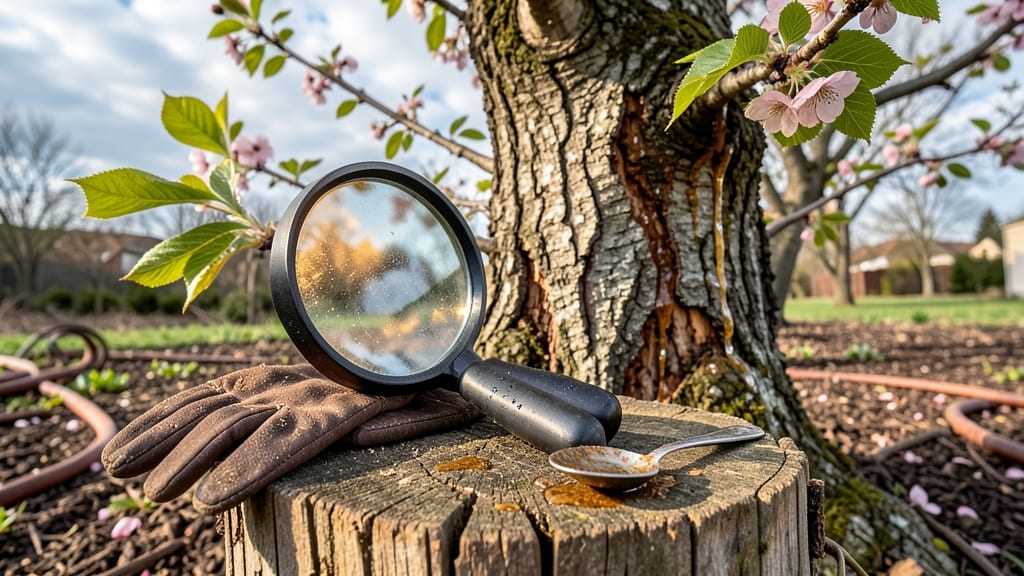
That sticky, relentless cherry tree sap leak? It’s not just messy—it’s your tree’s cry for help. 🌳 I’ve seen it drip onto patios, clog gutters, and even attract wasps, but the real problem starts inside the tree.
Sap leaks almost always signal stress from borers, frost cracks, or fungal infections, and ignoring it can mean losing your tree entirely.
The good news? Most leaks respond to targeted fixes—whether it’s sealing frost cracks with pruning sealant, treating borer tunnels with organic neem oil or chemical systemic insecticides, or improving drainage to fight fungal pressure.
I’ve stopped leaks in 30 minutes with the right tools, and you can too, without needing an arborist’s help.
By the end of this, you’ll know exactly what’s causing that gooey mess and how to patch it up before it spreads. The key is acting fast—once sap flows freely, the damage is already deep. Think of it like a bandage for your tree’s wounds.
We’ll cover organic fixes first (because prevention is always better), then when to call in the pros. No more helplessly watching your tree’s health decline—just clear, actionable steps to stop the flow for good.
Root Causes Of Sap Bleeding
Understanding why your cherry tree is leaking sap starts with peeling back the layers of its biology. Sap bleeding—often called gum bleeding or bleeding cankers—isn’t always a sign of distress, but when it’s excessive or persistent, it usually points to one (or more) of these underlying issues.
Let’s break down the science and what’s really going on beneath the bark.
---
Why it happens: Cherry trees (especially sweet and tart varieties) are notorious for spring sap flow, a natural process triggered by rising temperatures and thawing roots. As the tree awakens from dormancy, root pressure builds up, pushing water and dissolved nutrients upward through the xylem. This pressure can force sap out of any cracks, wounds, or even healthy bark seams.
- The science: Sap is primarily water (90%), sugars, and minerals.
In spring, trees absorb water faster than they can translocate it, creating excess pressure. - When to expect it: Most common in late winter to early spring (February–April in temperate zones), especially after warm days followed by freezing nights. - Is it harmful? Usually no—it’s a normal part of the tree’s cycle.
However, if sap is oozing year-round or in large quantities, other issues may be at play.
Pro tip: 💡 If the sap is clear or pale yellow (like maple syrup), it’s likely just seasonal sap flow. Dark, sticky, or foul-smelling sap suggests infection or damage.
---
Why it happens: Bacteria like Pseudomonas syringae (causing bacterial canker) or Erwinia species thrive in wounded bark, clogging vascular tissues and forcing sap to escape. These pathogens enter through: - Pruning cuts that weren’t made properly (too close to the branch collar). - Insect damage (e.g., borers, bark beetles). - Physical trauma (e.g., lawnmower strikes, hail, or animal gnawing).
- The science: Bacteria multiply in the cambium layer (the tree’s growth ring), creating gum pockets that rupture under pressure.
Infected sap often smells rotten or fermented. - Visual clues: Look for oozing cankers (sunken, discolored areas), cracked bark, or wilting leaves on one side of the tree. - Risk factors: Overhead watering, poor air circulation, and stressed trees (drought or poor soil) make infections worse.
Actionable fix: If you suspect bacteria, sterilize pruning tools with rubbing alcohol and avoid pruning during wet weather. Severe cases may require copper-based bactericides or professional help.
---
Why it happens: Insects like borers, scale, or aphids don’t just feed—they disrupt the tree’s plumbing. Their tunneling or sap-sucking creates entry points for pathogens and weakens the tree’s ability to regulate fluid flow.
- Borers (e.g., flathead or roundhead borers): Larvae burrow into the xylem, severing vessels and causing sudden sap leaks from exit holes. - Scale insects: Their honeydew attracts sooty mold, which smothers bark and traps moisture, promoting rot. - Aphids: While they rarely kill trees, their saliva can clog stomata, forcing sap to leak from wounds.
- The science: Insect damage reduces hydraulic conductivity, so the tree compensates by overproducing sap—leading to leaks. - Signs to watch for: Sawdust-like frass (borer droppings), sticky residue (aphid honeydew), or unusual holes in the bark.
Pro tip: 🔥 If you spot pests, blast them off with water (for soft-bodied insects) or apply neem oil (for borers, repeat every 2 weeks).
---
Why it happens: Cherry trees are saplings in winter, but rapid temperature swings (e.g., daytime thaw followed by nighttime freeze) cause frost cracks. The bark splits as the tree expands, creating vertical or horizontal fissures that leak sap like a broken pipe.
- The science: Water inside the tree expands when frozen, but the bark is rigid.
When temps rise, the tree swells—but the crack stays open, acting as a pressure release valve. - Where it happens: Most common on the south or west sides of the trunk (sun-warmed sides). - When to worry: If cracks are deep (>1 inch) or oozing dark sap, the tree may be vulnerable to infections or further splitting.
Fix it: Seal cracks with pruning sealant (not paint!) in late winter to prevent pathogen entry. Avoid pruning near cracks—let the tree heal naturally.
--- Why it happens: Stressed trees overproduce sap as a survival mechanism, but poor growing conditions can also weaken bark integrity.
Key stressors: - Drought: Forces roots to pull harder, increasing root pressure and sap leakage. - Compacted soil: Restricts root growth, leading to imbalanced water uptake. - Nutrient deficiencies: Lack of boron, calcium, or potassium weakens cell walls, making leaks more likely.
- The science: Stress hormones like abscisic acid alter sap composition, making it stickier and harder to contain. - Signs: Yellowing leaves, stunted growth, or sap leaking from multiple branches (not just one wound).
Solution: 💪 Improve soil with compost, mulch heavily (3–4 inches), and water deeply but infrequently to encourage deep roots.
--- Why it happens: Poor pruning techniques are a top cause of chronic sap leaks.
Common mistakes: - Cutting too close to the branch collar (leaving a stub that never heals). - Using dull tools (tearing bark instead of making clean cuts). - Pruning in wet weather (spreading bacteria). - Over-pruning (stressing the tree and triggering compensatory sap flow).
- The science: A proper cut seals within weeks via callus tissue. A bad cut stays open, creating a permanent leak point. - How to fix: If you’ve over-pruned, avoid further cuts until the tree recovers (usually 1–2 growing seasons).
Pro tip: ✨ Wait until late spring to prune—when the tree is actively growing, it heals faster. Use sharp, sterilized shears and follow the branch collar.
Quick Fixes for Sap Leaks
Got a cherry tree oozing sap like a syrup factory gone rogue? 🌳💦 Don’t panic—this is usually fixable with the right approach. Below, we’ll break down practical solutions tailored to the most common causes, from minor drips to full-blown sap emergencies.
Each fix is designed to be easy, cost-effective, and effective, so you can get your tree back to its healthy, sap-free self in no time.
---
Problem: Overly aggressive pruning or improper cuts leave wounds that weep sap like an open faucet.
How to Stop It: 1. 🔥 Clean Up the Mess - Use sharp, sterilized pruning shears (rubbing alcohol or bleach wipe works) to trim any jagged or rough edges left from previous cuts. - Remove any sprouts or suckers growing from the wound—they’ll just encourage more sap flow.
2. 🍳 Seal the Wound (If Needed) - For large wounds (over ½ inch wide), apply a pruning sealant (like Tanglefoot Tree Wound Pruning Seal) to slow moisture loss and prevent pests. - Pro Tip: 💡 Skip sealant for small cuts—research shows it’s often unnecessary and can trap moisture, leading to rot.
3. 🌡️ Give It Time to Heal - Sap flow should slow within a few days as the tree seals the wound naturally. Avoid pruning during wet or freezing conditions—this stresses the tree and worsens leaks.
Prevention Tips: ✨ Prune in late winter/early spring (dormant season) when the tree isn’t actively growing. ✨ Make clean, angled cuts just outside the branch collar (the swollen area where the branch meets the trunk). ✨ Avoid topping the tree—this causes massive stress and sap leaks.
---
Problem: Extreme weather (freezing, heatwaves) or pests (aphids, borers) force sap to leak as a defense mechanism.
How to Stop It: 1. 👨🍳 Shield from Harsh Conditions - For cold stress: Wrap young trees with burlap or frost cloth in late fall/winter to protect bark. - For heat stress: Provide afternoon shade with shade cloth (30-50%) if your tree is in a scorching microclimate.
2. 🔪 Pest Control 101 - Blast pests off with a strong water spray (early morning works best). - Apply horticultural oil or neem oil to suffocate soft-bodied pests like aphids (follow label rates). - Invite predators: Ladybugs and lacewings love munching on sap-sucking pests—plant companion flowers like dill or marigolds nearby.
3. 🎯 Monitor for Signs of Infestation - If sap leaks are sticky, dark, or accompanied by sawdust-like frass, you’ve got borers—contact a local arborist for systemic insecticide treatment.
Prevention Tips: ✨ Mulch properly (2-4 inches of organic mulch) to regulate soil temperature and retain moisture. ✨ Water deeply but infrequently—drought stress = more sap leaks. ✨ Inspect trees annually in early spring for early signs of pests.
---
Problem: Compacted soil, root damage, or poor drainage forces sap to escape through the bark.
How to Stop It: 1. 🥘 Loosen the Soil (Gently!) - Use a broadfork or garden fork to aerate the soil 6-12 inches deep around the tree’s drip line (the edge of its canopy). - Warning: ⚠️ Don’t dig too close to the trunk—this can damage roots.
2. 💧 Improve Drainage - If your tree sits in clay-heavy or waterlogged soil, amend with: - Compost (top-dress annually) - Sand or perlite (mix into the top 6 inches of soil) - Install a French drain if water pools near the base.
3. 🌡️ Test for Root Rot - If the bark is soft, mushy, or smells foul, your tree may have root rot. Trim affected branches and reduce watering immediately.
Prevention Tips: ✨ Plant cherry trees in well-draining soil—avoid low-lying areas where water pools. ✨ Avoid heavy foot traffic near the trunk (compaction = stress). ✨ Mulch volcanoes are evil—keep mulch 2-3 inches deep and 6 inches away from the trunk.
--- If your tree is weeping sap like a fountain, act fast: 1. 🔪 Prune affected branches back to a healthy bud or lateral branch. 2. 🧴 Apply a thick layer of tree wound dressing (like Tanglefoot Tree Wound Care) to large wounds.
3. 💦 Water deeply to help the tree recover from stress.
When to Call an Arborist: - Sap leaks persist for over 2 weeks after pruning. - You see oozing, discolored sap (sign of disease like silver leaf fungus). - The tree is wilting, dropping leaves, or has large dead patches.
--- Final Thought: Most sap leaks are short-lived and fixable with basic care. The key is acting quickly, pruning correctly, and reducing stress on your tree. With these fixes, your cherry tree will be back to bearing fruit (and not sap) in no time! 🍒✨
Frequently asked questions
Is cherry tree sap leaking normal in spring?
Yes, but only to a point! Light sap flow in late winter/early spring is normal as trees wake up from dormancy. However, if the sap is dark, sticky, or flowing heavily year-round, it signals stress from frost cracks, pests, or disease. Clear or pale yellow sap (like maple syrup) is usually harmless seasonal flow.
What does foul-smelling sap mean?
Foul-smelling sap is a red flag! It almost always indicates bacterial infection (like bacterial canker) or fungal rot. Dark, oozing sap with a fermented or rotten odor means pathogens are clogging your tree’s vascular system. Act fast—sterilize tools and consider copper-based treatments.
Can I use duct tape to stop sap leaks?
Not a good idea! Duct tape traps moisture, creating the perfect environment for rot. For small leaks (½ inch wide), let the tree seal naturally—it’ll callus over in 2-4 weeks. Only use pruning sealant (like Tanglefoot) for larger wounds, and apply it thinly to avoid suffocating the bark.
Will sealing sap leaks actually help?
It depends on the cause! For frost cracks or pruning wounds, sealing with pruning sealant can prevent pests/pathogens from entering. But for borer damage or disease, sealing alone won’t fix the root problem—you’ll need to treat the underlying issue (like neem oil for borers or fungicide for cankers).
How long until my tree stops leaking sap after pruning?
With proper pruning, sap flow should slow within 3-5 days and stop completely in 2-4 weeks as the wound calluses over. If leaks persist beyond 2 weeks, check for pests (borers leave sawdust-like frass) or disease. Avoid pruning during wet weather—this delays healing.