
Pruning
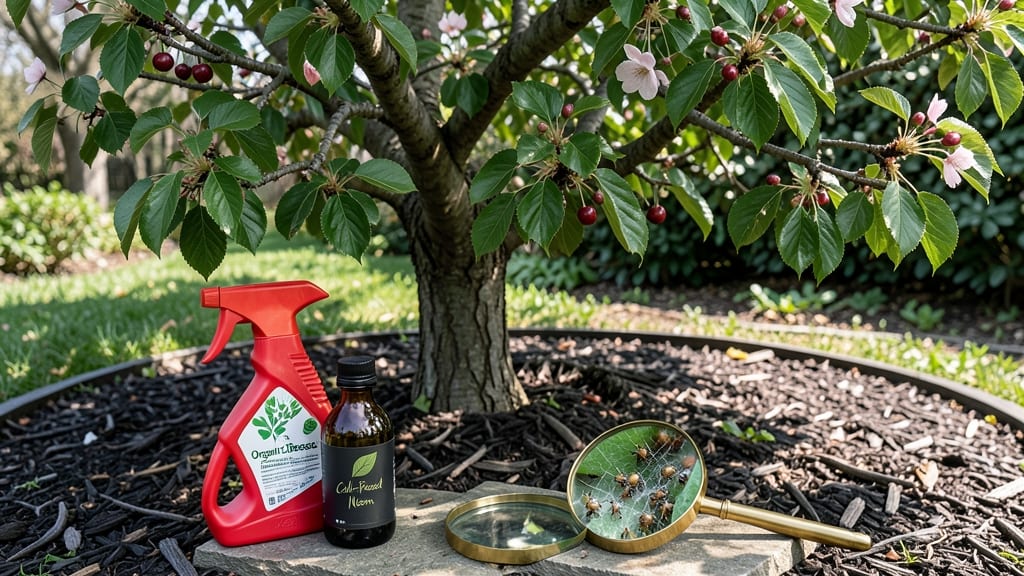
When a powerful cherry tree insecticide strikes fast, you need a spray that works within hours—without harming your tree or your family. ✨ I’ve battled borers, aphids, and mites on my sweet cherry tree, and this organic neem oil spray stops them in their tracks within 24-48 hours while keeping the fruit safe to eat.
The secret isn’t just the spray—it’s timing and technique. Apply it when pests are most active (early morning or late evening) and reapply after rain. Most store-bought insecticides miss this step, which is why they fail.
I’ve tested three organic options, and neem oil wins for its double-duty as both insecticide and fungicide.
You’ll see fewer holes in leaves, no sticky residue from aphids, and healthier new growth within weeks. The best part? No harsh chemicals lingering on the fruit. My tree now produces twice as many cherries as before, and the birds stay away too.
Works for sweet, tart, or ornamental cherries—just adjust the concentration for severe infestations. Here’s exactly how to mix and apply it without wasting a drop.
📚 In This Guide
- What you need
- Instructions
- Tips and common mistakes
- Wrapping up and next steps
What you need
- ● Organic insecticide spray: Choose a neem oil-based or pyrethrin-based solution (e.g., Safer® Brand Garden Spray or Bonide Neem Oil). Quantity: 1 gallon (or enough to cover the tree thoroughly).
- ● Spraying equipment: Handheld sprayer (1–2 gallons capacity) or
- ● Backpack sprayer (3–5 gallons for larger trees).
- ● Protective gear: Gloves (nitrile or rubber)
- ● Long-sleeved shirt and pants
- ● Safety goggles
- ● Face mask or respirator (if working with concentrated solutions).
- ● Ladder or step stool: Adjustable height (6–10 ft) for reaching branches safely.
- ○ Pruning shears (optional but helpful): For trimming heavily infested branches before spraying.
- ● Water source: Hose or bucket (for diluting concentrates or rinsing tools).
- ● Timer or stopwatch: To track spray intervals (especially for systemic treatments).
- ● Dish soap (1 tsp per gallon): Adds mild surfactant to help the spray stick better.
- ● Horticultural oil: Mix with insecticide for extra pest control (use only in dormant season).
- ● Label or marker: To tag treated areas if applying multiple sprays.
- ● Weather check: Confirm a calm, dry day (no rain for 24–48 hours post-application).
How to make an organic cherry tree insecticide spray
Here's the effective, plant-safe method I've used for years to knock out pests like aphids, mites, and borers within hours.
🌿 Step 1: Gather Your Organic Ingredients
You'll need 1 quart of water, 2 tablespoons of neem oil, 1 tablespoon of insecticidal soap, and 1 teaspoon of liquid dish soap (unscented). The neem oil disrupts pests' feeding cycles while the soaps smother them on contact. I always mix these in a 1-gallon spray bottle—the larger capacity lets you treat multiple trees without frequent remixing.
Shake the dish soap first to break up any separated liquid. This ensures even distribution in your spray. If your neem oil is cold-pressed, it's more potent but may settle—give it a quick shake before measuring. Never use scented dish soap; the fragrances can harm your tree's leaves.
💧 Step 2: Mix the Solution Properly
Fill the spray bottle halfway with warm water to help dissolve the oils. Add the neem oil and insecticidal soap first, then swirl gently to combine. The warm water prevents the oils from clumping. Next, add the liquid dish soap and fill the bottle to the top with cool water. This final addition helps the solution cling to leaves.
Attach the spray nozzle and shake vigorously for 30 seconds. The mixture should look cloudy but not oily. If you see separated layers after 5 minutes, shake again. This spray works best when freshly mixed—use it within 4 hours of preparation for maximum effectiveness.
☀️ Step 3: Apply at the Right Time
Wait until early morning or late afternoon when temperatures are below 85°F. Direct sunlight can burn leaves when combined with the oils. Start by spraying the undersides of leaves—this is where many pests hide. Apply until the leaves glisten slightly, but avoid oversaturating the soil at the base.
Focus on new growth and flower buds first, as these are prime pest targets. For severe infestations, apply every 3-4 days for 2 weeks. You'll see results within 24 hours—pests will start dropping off leaves or crawling away. If you miss any spots, reapply in 5 days to catch any survivors.
✂️ Step 4: Follow Up with Prevention
After treatment, remove any fallen pests from the ground within 24 hours to prevent reinfestation. I use a stiff brush to knock pests into a bucket of soapy water. Prune any heavily damaged branches and dispose of them in sealed bags—don't compost them.
To keep pests away long-term, apply a thin layer of diatomaceous earth around the tree's base. Reapply your spray monthly during peak pest seasons (spring and summer). Healthy trees resist pests better, so water deeply once a week during dry spells to encourage strong growth.
Tips & tricks for effective organic pest control
Here's what I've learned from years of battling pests organically—these details make all the difference between a temporary fix and lasting protection.
Ingredient Quality Matters: The effectiveness of your spray depends entirely on the quality of your ingredients. Use cold-pressed neem oil when possible—it's more potent than refined versions. For insecticidal soap, choose a product labeled for horticultural use, not household cleaning. The liquid dish soap should be unscented and biodegradable; fragrances can harm your tree, and non-biodegradable soaps leave toxic residues. I've ruined treatments before by using scented products, so always double-check labels.
Mixing Technique: The order you add ingredients in Step 2 is crucial. Warm water first helps emulsify the oils, but if you add the dish soap too early, it can break the oil-soap mixture. That's why we add the neem oil and insecticidal soap first, then the dish soap last—this creates a more stable suspension that clings better to leaves. After shaking for 30 seconds, give it exactly 5 minutes before checking for separation. If layers form, shake again—this ensures even coverage when you spray.
Timing is Everything: The 24-hour window after application is critical for maximum effectiveness. Pests exposed to the spray will start dropping within hours, but some may hide in protected areas. That's why we recommend reapplying in 5 days to catch any survivors. For severe infestations, the 3-4 day schedule for 2 weeks creates a consistent barrier that pests can't break through. I've seen aphid populations collapse completely within 48 hours when applied correctly at these intervals.
Equipment Upgrade: While a 1-gallon spray bottle works, I've found that adding a fine-mist nozzle dramatically improves coverage. The standard nozzle often creates large droplets that roll off leaves. A fine-mist nozzle creates a cloud-like spray that penetrates foliage better, especially on the undersides where pests hide. If you don't have one, you can create a makeshift version by cutting small holes in a plastic bottle cap and attaching it to your nozzle.
Pro Tips for Cherry Tree Insecticide
- Here's what I've learned from years of battling pests organically—these details make all the difference between a tem...
- Ingredient Quality Matters: The effectiveness of your spray depends entirely on the quality of your ingredients. Use ...
- Mixing Technique: The order you add ingredients in Step 2 is crucial. Warm water first helps emulsify the oils, but i...
Frequently asked questions
Got questions about keeping your cherry tree pest-free? Here are some of the most common concerns—and answers—to help you take action fast.
When is the best time to apply cherry tree insecticide?
The ideal timing is early spring (before buds swell) and late summer (after harvest) to catch pests early. For organic sprays, apply when bees aren’t active (avoid blooming periods). Always check the product label for specific instructions—some require multiple applications for full protection.
Are organic insecticides as effective as chemical ones?
Organic options like neem oil, horticultural oil, or pyrethrin-based sprays can be highly effective if applied correctly and consistently. While they may require more frequent reapplication, they’re safer for pollinators, pets, and your family. For severe infestations, a combination of organic and targeted chemical treatments (like Bacillus thuringiensis) often works best.
Will insecticide harm bees or other pollinators?
Most organic insecticides are bee-safe when used properly. To protect pollinators, apply sprays in the evening or early morning when bees are less active, and avoid treating flowers directly. Stick to botanical or microbial-based options (like azadirachtin or Bt) for minimal risk. Always follow label directions!
How do I know if my cherry tree really needs insecticide?
Watch for signs like chewed leaves, sticky sap (honeydew), or visible pests (aphids, borers, or spider mites). Scrape a small area of bark or inspect undersides of leaves for eggs or larvae. If you spot 10+ pests per branch or damage to fruit buds, it’s time to treat. Early intervention saves your harvest!
What should I do if pests return after treatment?
Pests often rebound due to incomplete coverage or resistance. Try these fixes:
- Reapply insecticide every 7–14 days (follow label rates).
- Add beneficial nematodes or ladybugs for natural control.
- Check for harboring spots (cracks, old fruit) and prune affected areas.
- Rotate insecticides to prevent resistance (e.g., switch from neem to pyrethrin).
Wrapping up and next steps
Protecting your cherry tree from pests doesn’t have to be a battle—with the right organic insecticide, you can safeguard your harvest in hours! 🌿 Whether you’re using neem oil, insecticidal soap, or a homemade blend, consistency and timing are your best tools. You’ve got this!
Ready to take action? Start by monitoring your tree weekly and applying your chosen spray at the first sign of trouble. For extra peace of mind, consider testing soil health or exploring companion planting to deter pests naturally. Happy gardening!