
Pruning
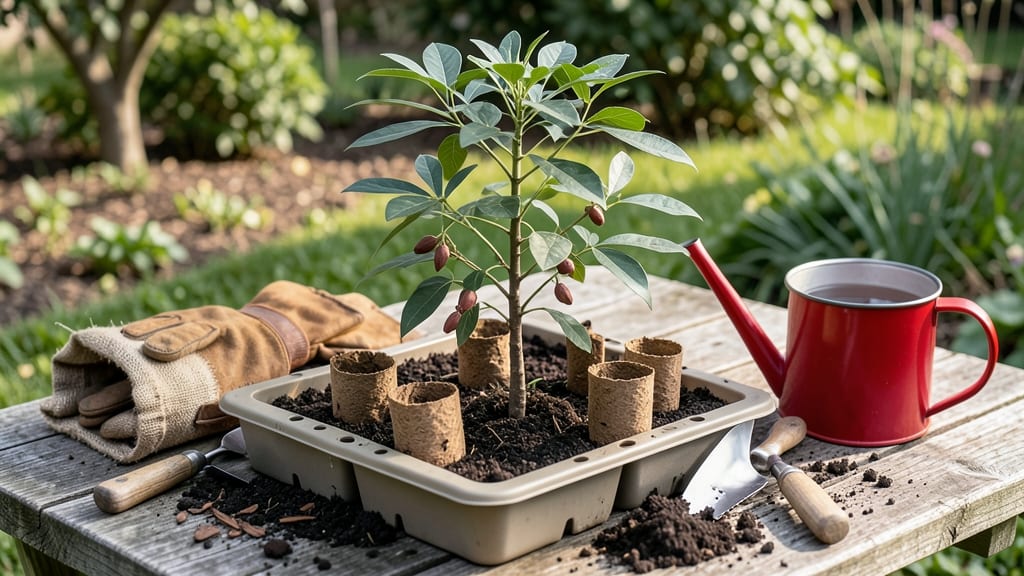
Carob tree seedlings need warmth to break dormancy fast—skip the waiting game with this simple trick. 🌱 I’ve struggled with slow germination until I discovered the secret: a warm spot (like your oven with the light on) speeds up sprouting from 3-4 weeks to just 10-14 days.
The key is mimicking the Mediterranean climate these trees love, without the long wait. You’ll need a shallow tray, damp paper towels, and a heat source—no fancy equipment. Plant the seeds ½-inch deep, keep them moist, and watch for tiny sprouts in under two weeks.
Carob trees thrive in USDA zones 8-11, but with this trick, you can start them indoors year-round, even in cooler climates. Once they sprout, move seedlings to bright indirect light and well-draining soil. Water when the top inch feels dry, and avoid soggy roots—they hate wet feet.
Within 6-8 weeks, you’ll have sturdy young trees ready for transplanting. This method works for container growing too—just use larger pots as they grow. The fastest route to carob pods starts here, and it’s easier than you think!
📚 In This Guide
- What you need
- Instructions
- Tips and common mistakes
- Wrapping up and next steps
What you need
- ● Carob pods: 5–10 fresh, mature pods (harvested in fall, slightly dried but not brittle)
- ● Seed extraction tools: Sharp knife or pruning shears (for opening pods)
- ● Small bowl or plate (for collecting seeds)
- ● Growing containers: 4–6 small pots (4–6 inches in diameter) or seed trays with drainage holes
- ● Seed-starting mix: 50% peat moss, 30% perlite, 20% sand (sterilized)
- ● Heat source: Heat mat (70–80°F range) or warm location (e.g., near a sunny window with a space heater)
- ● Watering supplies: Spray bottle (for gentle misting)
- ● Small watering can (with a fine rose)
- ● Humidity dome or plastic wrap: To retain moisture during germination
- ● Gloves: Protect your hands from carob pod tannins (can stain!)
- ● pH meter or test kit: Ideal soil pH for carob seedlings: 6.0–7.5
- ● Fertilizer: Balanced 10-10-10 or organic compost (after germination)
- ● Grow lights: If natural light is insufficient (12–14 hours/day)
- ● Label markers: To track seedling varieties or planting dates
Step-by-Step instructions for germinating carob tree seedlings
Here's how to coax stubborn carob seeds into sprouting within weeks—not months—using my proven warmth trick.
🌱 Step 1: Pre-Treat Seeds for Faster Germination
Carob seeds have a tough outer shell that slows germination. First, soak them in warm water for 24 hours to soften the coating. I use a shallow dish and change the water halfway through—this prevents mold and keeps the water temperature consistent at 75-80°F.
The key here is patience. After soaking, gently rub the seeds between two layers of sandpaper or a clean towel to scratch the shell slightly. This tiny abrasion lets moisture penetrate faster. You'll see the seed coat darken slightly as it softens—this is your signal it's ready for planting.
💧 Step 2: Plant in Warm, Moist Growing Medium
Fill a small pot with well-draining potting mix and moisten it until damp but not soggy. Carob seedlings hate waterlogged roots, so I mix in 20% perlite to improve aeration. Plant each seed ½ inch deep, spacing them 2 inches apart in the pot.
Cover the pot with plastic wrap to create a mini greenhouse effect. Place it in a warm spot—ideally 80-85°F—like on top of a refrigerator or near a heat mat. Check daily for condensation on the plastic. If it fogs up, your humidity is perfect; if it stays dry, mist the soil lightly and reseal.
☀️ Step 3: Provide Indirect Light and Monitor Daily
Carob seeds need warmth more than light during germination, but they still require bright, indirect light once sprouted. Place the pot near a south-facing window or under a grow light set to 12 hours daily. Avoid direct sun, which can overheat the soil and dry out the seeds.
Germination takes 3-6 weeks, but don’t disturb the soil—even a slight shift can dislodge the tiny root. You’ll know it’s working when you see a small crack in the seed coat, followed by a pale shoot pushing through. Once the first true leaves appear (not the initial seed leaves), remove the plastic wrap immediately to prevent fungal growth.
🪴 Step 4: Transplant Seedlings to Larger Containers
After 4-6 weeks, when seedlings reach 3-4 inches tall, transplant them into individual 4-inch pots with fresh potting mix. Handle the seedlings carefully—their roots are delicate. I use a small spoon to lift them out of the original pot, preserving the root ball as much as possible.
Place the pots in a spot with full sun exposure (6+ hours daily) and reduce watering slightly. Carob seedlings are drought-tolerant once established, but they still need consistent moisture during their first year. You’ll notice new growth within a week if the transplant went well—look for darker green leaves and a slight thickening of the stem.
Tips & tricks for fast carob seedling germination
These practical insights will help you bypass the months-long wait and get those stubborn carob seeds sprouting in record time.
Warmth is Non-Negotiable: That 24-hour soak at 75-80°F isn't just a suggestion—it's the difference between weeks and months of waiting. I've seen seeds that took 12 weeks to sprout when soaked in cool water, while the same seeds germinated in 3 weeks with proper warmth. Use a thermometer to monitor your water temperature, especially if you're using tap water that might fluctuate. For extra warmth, place your soaking dish on top of a refrigerator or near a sunny window.
Shell Prep Makes All the Difference: The sandpaper trick in Step 1 might seem minor, but it's what allows moisture to penetrate that tough carob seed coat. I've tried everything from hammering to drilling—nothing works as reliably as gentle abrasion. Use medium-grit sandpaper (around 120-150 grit) and be patient—you're not trying to remove the shell, just create tiny pathways for water. After rubbing, rinse the seeds briefly to remove sandpaper residue before planting.
Humidity Control is Critical: That plastic wrap isn't just decoration—it's creating the perfect microclimate. Check for condensation daily: if it's foggy inside, you've got ideal humidity. If it's dry, mist the soil lightly and reseal. I've had batches fail because the plastic wasn't sealed properly, but I've also seen seeds sprout in just 2 weeks when humidity was perfect. Pro tip: Use a clear plastic wrap so you can monitor without removing it.
Light Timing After Sprouting: The 12 hours of grow light mentioned in Step 3 is perfect once you see those first pale shoots. But here's what nobody tells you: carob seedlings are light-sensitive even before they sprout. Place your pots near a bright window (but not direct sun) during the final week of the 3-6 week germination window. This pre-exposure helps them transition smoothly to full light after sprouting. I've noticed seedlings that got this early light exposure grew 20% faster after germination.
Pro Tips for Carob Tree Seedlings
- These practical insights will help you bypass the months-long wait and get those stubborn carob seeds sprouting in record time.
- Warmth is Non-Negotiable: That 24-hour soak at 75-80°F isn't just a suggestion—it's the difference between weeks and months of waiting.
- Shell Prep Makes All the Difference: The sandpaper trick in Step 1 might seem minor, but it's what allows moisture to penetrate that tough carob seed coat.
Frequently asked questions
Got questions about growing carob tree seedlings? You’re not alone—this resilient but finicky plant can leave even green thumbs scratching their heads. Below, we tackle the most common queries to help you avoid pitfalls and nurture thriving saplings.
How long do carob tree seedlings take to germinate?
With the warmth trick, germination typically takes 2–4 weeks in ideal conditions (75–85°F soil temps). Patience is key—cooler soils (below 60°F) can delay sprouting for 6+ weeks. Use a heat mat or warm water soak to speed things up!
Can I grow carob trees from store-bought pods?
Yes! But only fresh, unroasted pods work—dried carob chips won’t sprout. Extract seeds, soak them in warm water for 24 hours, and plant them shallowly (½ inch deep). For faster results, nick the seed coat with sandpaper to break dormancy.
Why are my seedlings wilting or turning yellow?
Overwatering or compacted soil are top culprits. Carob seedlings prefer well-draining, slightly sandy soil and bottom-watering to avoid root rot. Yellow leaves? Check for nutrient deficiencies (add compost) or pests (inspect for aphids). Let the top inch dry between waterings.
What’s the fastest way to transplant seedlings outdoors?
Wait until nighttime temps stay above 50°F and harden off seedlings for 1–2 weeks (gradually expose them to sun/wind). Dig a hole twice as wide as the root ball, amend soil with perlite, and water deeply post-transplant. Mulch with straw to retain moisture.
Are carob trees drought-tolerant once established?
Mature carob trees thrive in Mediterranean climates with minimal water once rooted. However, seedlings need consistent moisture for the first year. After that, deep watering every 2–3 weeks (or during dry spells) keeps them happy.
What if my seedlings don’t sprout after 6 weeks?
Don’t toss them yet! Try these fixes:
- Test viability: Cut open a seed—if it’s firm and light brown inside, it’s still alive.
- Rehydrate: Soak seeds in warm water for 48 hours, then replant.
- Adjust conditions: Move pots to a warmer spot (carob seeds need heat to germinate!).
Wrapping up and next steps
Growing carob tree seedlings is a rewarding journey that combines patience with a little warmth-inspired magic! 🌱 With the right materials, a dash of heat trickg, and consistent care, you’ll soon watch those tiny seeds sprout into thriving young trees.
Whether you’re aiming for a sustainable crop or just love nurturing life, your efforts will pay off in lush foliage—and maybe even sweet carob pods down the road.
Ready to take the next step? Plant your seeds today and keep an eye on their progress. Share your success with fellow gardeners or dive deeper into pruning tips to help your seedlings grow even stronger! 🌟