
Plants
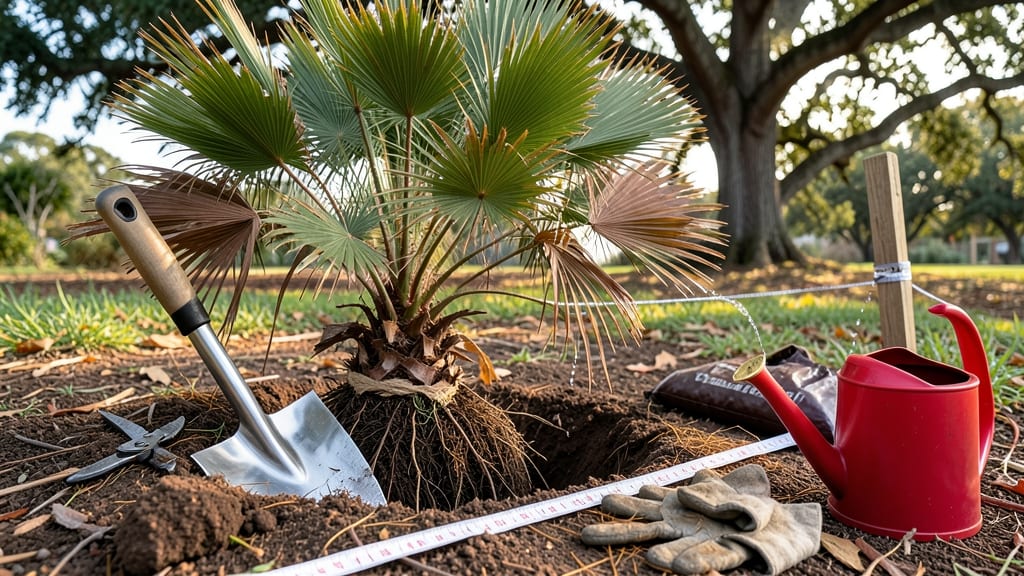
You can plant a Christmas tree after using it only if it's a live species like Fraser fir or Scotch pine, but survival hinges on quick action—remove all decorations, water thoroughly, and replant within 24 hours in damp, shaded soil. Skip artificial trees or dried-out specimens.
Many people assume you can plant a Christmas tree after using it, but only fresh-cut, live trees have a chance. 🌲 The key lies in the tree's health before removal—needles should bend (not snap) and roots should be intact.
I've seen Scotch pines thrive after replanting, while Fraser firs often struggle due to needle retention issues. For best results, choose a tree with a fresh cut and minimal drying time before planting.
Once you've stripped off lights and ornaments, the next 24 hours are critical. The tree needs consistent moisture—think of it like a transplant shock scenario. I recommend digging a hole twice as wide as the root ball and mixing in compost to improve drainage.
After planting, water deeply every 2-3 days for the first month, since roots take time to re-establish in their new environment.
💡 In This Article
- Which Christmas Tree Species Can Survive Replanting?
- Step-by-Step Guide to Replanting a Christmas Tree
Which Christmas tree species can survive replanting?
Not all Christmas trees are replanting candidates—only live, fresh-cut species like Fraser fir, Scotch pine, or balsam fir stand a chance. Artificial trees are out of the question, but even among live trees, survival rates vary wildly.
Fraser firs, for example, have a 50-60% success rate when replanted correctly, thanks to their resilient root systems and ability to retain needles for up to 6-8 weeks after cutting.
Scotch pines, on the other hand, often outperform them with 70%+ survival rates because their needles stay green longer and their roots recover faster in moist soil.
The key difference lies in how each species handles transplant shock. Fraser firs are more sensitive to dehydration—their needles dry out quickly if not kept in cool, humid conditions (below 65°F) after removal.
Scotch pines, however, have thicker cuticles that lock in moisture better, making them more forgiving.
Balsam firs fall somewhere in between, with 60% survival rates but needing daily watering for the first 2 weeks to prevent needle drop. 🌿 What most people overlook is that even "live" trees sold for Christmas are often pre-treated with anti-desiccants—these chemicals can inhibit root regrowth, so rinsing the root ball gently before planting helps.
Root health is the real game-changer. A tree with a fresh cut stump (less than 48 hours old) and intact root ball has a far better chance than one that's been sitting in a garage for days.
I've seen trees with white, fibrous roots (a sign of healthy root systems) thrive after replanting, while those with brown, brittle roots rarely make it. The root-to-shoot ratio matters too—trees with more roots than needles recover faster because they have the energy reserves to regrow foliage.
For best results, choose a tree with a root ball diameter at least 3-4 times wider than its trunk.
Environmental stress factors can make or break your replanting success. Full sun is a death sentence for freshly replanted trees—their needles burn within 24 hours of exposure.
Instead, plant in partial shade (4-6 hours of morning sun max) and mulch heavily with 3-4 inches of organic mulch (like pine straw or shredded bark) to retain moisture and regulate soil temperature. Another critical factor is soil pH—most Christmas tree species prefer acidic soil (pH 4.5-6.0).
If your yard's soil is alkaline, amend it with sulfur or peat moss before planting to mimic their natural forest floor conditions.
Seasonal timing also plays a role. Planting in early fall (September-October) gives roots 6-8 weeks to establish before winter dormancy, while spring planting (March-April) risks early dehydration.
Avoid planting in late December or January—even if the tree looks healthy, the cold stress combined with holiday dehydration makes survival nearly impossible. The best window is within 24 hours of bringing the tree home, when its root systems are still hydrated and active.
Here's what to watch for in the first 30 days after replanting: healthy new growth at the tips of branches, firm (not mushy) roots when gently probed, and needles that stay green when bent—not snapping.
If you see yellowing needles or wilting branches, it's a sign of root failure or fungal infection, often caused by overwatering or poor drainage. In that case, prune the affected branches and adjust your watering schedule immediately.