
Pruning
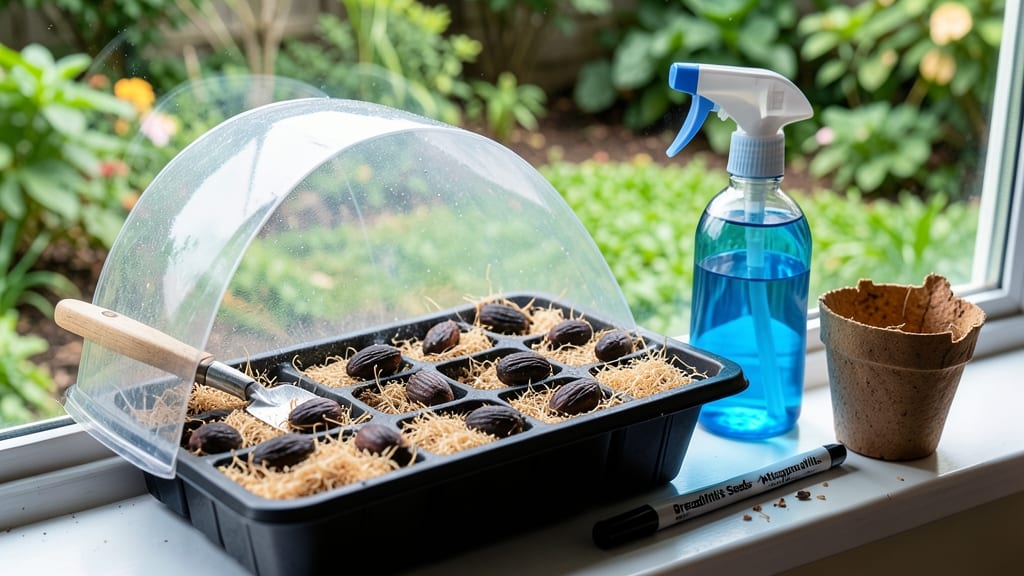
Growing breadfruit trees from seeds lets you cultivate this tropical staple without buying expensive saplings—though the process takes patience and the right technique. 🌱 The key is extracting viable seeds from mature fruit and creating the ideal conditions for germination, which can take weeks or even months.
I’ve propagated dozens this way, and the secret lies in understanding how breadfruit seeds behave differently than typical tree seeds.
You’ll need ripe breadfruit, a sharp knife, a bowl of water, and a warm, humid spot to start. The seeds must be fresh—older seeds lose viability quickly. Once you’ve extracted them, soak them for 24 hours to soften the outer layer, which helps break dormancy.
Tropical gardeners have the advantage here, but even subtropical zones can succeed with proper care during the early stages.
Germination happens slowly, often taking 4-8 weeks to sprout, and seedlings grow delicate at first. Keep them in bright, indirect light and maintain consistent moisture without waterlogging.
The first true leaves signal it’s time to transplant into larger containers or directly into the ground, where they’ll eventually thrive in rich, well-draining soil.
Challenges include fungal rot from overwatering and pests like ants or slugs targeting young shoots. But once established, breadfruit trees reward you with abundant harvests for decades. Whether you’re in Hawaii, Florida, or a similar climate, this method lets you grow your own food forest—starting from just a single seed.
📚 In This Guide
- What you need
- Instructions
- Tips and common mistakes
- Wrapping up and next steps
What you need
- ● Mature breadfruit fruit: 2–3 fully ripe, healthy fruits (preferably from a known source for best results).
- ● Sharp knife or pruning shears: For safely extracting seeds.
- ● Clean water: For rinsing seeds (1–2 gallons).
- ● Well-draining potting mix: 5–10 gallons (a blend of coconut coir, perlite, and compost works well).
- ● Small pots or seed trays: 4–6 (4–6 inches deep) with drainage holes.
- ● Plastic bags or humidity dome: To retain moisture during germination.
- ● Spray bottle: For gentle watering.
- ● Sunlight or grow lights: A sunny spot (6+ hours of light daily) or a basic LED grow light.
- ○ Label markers: To track seed varieties (optional but helpful!).
- ● Seed germination kit: For faster, controlled sprouting.
- ● pH testing kit: To ensure soil pH is ideal (6.0–7.0 for breadfruit).
- ● Heating mat: Speeds up germination in cooler climates.
- ● Fertilizer (balanced, low-nitrogen): For transplanting (e.g., 10-10-10 ratio).
- ● Gloves: To protect hands when handling seeds or soil.
Step-by-Step instructions for propagating breadfruit trees from mature fruit
Here's how to turn ripe breadfruit into thriving young trees without waiting for seeds to sprout naturally.
🌱 Step 1: Select and Prepare the Mature Fruit
Choose a fully ripe breadfruit that's soft to the touch but not mushy. The flesh should yield slightly when pressed with your thumb—this indicates peak germination potential. Cut the fruit open lengthwise with a sharp knife, exposing the central seed cavity. You'll find 1-4 large, glossy seeds nestled inside, surrounded by sticky white pulp.
Remove the seeds carefully, using a spoon to scoop out the pulp while avoiding damage to the seed coats. Rinse each seed under lukewarm water to remove any remaining fruit residue. Here's the thing—breadfruit seeds have a hard outer shell that needs to soften before germination can begin. Soak them in water for 24-48 hours, changing the water every 8 hours to prevent bacterial growth. You'll know they're ready when the outer coating starts to wrinkle slightly and the seed feels lighter in your hand.
💧 Step 2: Create the Germination Medium
Breadfruit seeds need a moist, oxygen-rich environment to break dormancy. Fill a 6-inch deep container with a mix of equal parts coconut coir and perlite—this combination provides both moisture retention and aeration. Moisten the mix until it feels like a damp sponge when squeezed, with no excess water dripping out. The ideal moisture level should resemble a well-wrung-out kitchen sponge.
Plant each seed 1 inch deep, spacing them 3 inches apart in the container. Gently press the soil around each seed to ensure good contact without compacting it. Place the container in a warm, shaded area where temperatures stay between 75-85°F. Breadfruit seeds are sensitive to cold—if your space drops below 70°F, germination may stall or fail entirely. A seedling heat mat set to 80°F can accelerate the process if your environment runs cooler.
☀️ Step 3: Monitor and Maintain Germination Conditions
Keep the soil consistently moist—not soggy, but never allowed to dry out. Mist the surface lightly every 2-3 days or when the top inch feels dry to the touch. You'll see the first signs of germination in 7-14 days when a small white root emerges from the seed. Once roots appear, increase light gradually to prevent leggy growth, but avoid direct sun until the first true leaves form.
Here's where it gets interesting: breadfruit seedlings develop cotyledons (the first leaves) that look nothing like mature breadfruit foliage. These initial leaves are thick and leathery, providing energy for the seedling. Watch for the second set of leaves—these will resemble miniature breadfruit leaves and signal that your seedling is ready for its next phase. Real talk: If mold appears on the soil surface, reduce watering immediately and consider repotting with fresh, sterile medium.
🪴 Step 4: Transplant Seedlings to Individual Pots
When seedlings reach 4-6 inches tall with 3-4 true leaves, it's time to transplant them into 5-inch pots filled with a mix of 60% potting soil, 20% coconut coir, and 20% perlite. Handle each seedling by its leaves, never the stem, to avoid damage. Dig a hole slightly larger than the root ball, place the seedling in, and firm the soil gently around the base. Water thoroughly to settle the roots into their new home.
Place the pots in bright, indirect light for the first week to help them adjust. After that, gradually introduce morning sun for 2-3 hours daily, increasing exposure by 1 hour each week. Breadfruit seedlings are tropical and will bolt (grow too fast) if exposed to too much direct sun too soon. You'll know they're acclimating properly when new leaves emerge with a vibrant green color and no signs of yellowing or wilting.
⏰ Step 5: Prepare for Outdoors or Greenhouse Growth
After 8-12 weeks of container growth, your seedlings should be 12-18 inches tall with a sturdy stem. If you're in a tropical or subtropical climate, they're ready for outdoor planting. Choose a location with partial shade and well-draining soil. Dig a hole twice as wide as the root ball but only as deep as the container. This encourages root expansion rather than settling too deep.
For cooler climates, transition seedlings to a greenhouse or indoor grow space with humidity levels above 60%. Breadfruit trees are sensitive to temperature drops below 60°F—if you experience frost, protect young trees with frost cloth or move them indoors. The key to long-term success is patience: breadfruit trees grow slowly at first but will eventually reward you with edible fruit in 3-5 years when given proper care. Don't skip the mulching step—apply a 2-inch layer of organic mulch around the base to retain moisture and regulate soil temperature.
Tips & tricks for propagating breadfruit trees from mature fruit
These essential insights will help you navigate the nuances of breadfruit seed germination and seedling care.
Seed Preparation: When you're soaking seeds for the 24-48 hour period in Step 1, use filtered or dechlorinated water—tap water can contain chemicals that inhibit germination. I've found that placing seeds in a mesh bag submerged in water makes changing the water every 8 hours much easier without damaging the seeds. After soaking, gently rub the seeds between your fingers to help loosen the outer shell slightly, but be careful not to crack it—this mimics natural weathering and can speed up germination by a few days.
Germination Environment: The 75-85°F temperature range in Step 2 is crucial, but don't rely solely on room temperature. I recommend placing a small thermometer near your germination container to monitor conditions continuously. If your space fluctuates, a seedling heat mat set to 80°F creates a stable microclimate that can make the difference between success and failure. Remember that breadfruit seeds are tropical—they won't tolerate temperatures below 70°F for more than a few hours.
Transplanting Timing: In Step 4, when your seedlings reach 4-6 inches with 3-4 true leaves, don't rush the transplant. I've seen many growers move seedlings too soon, which stresses the delicate root systems. Wait until you see new growth after the second set of leaves appear—this indicates the seedling has established enough energy reserves to handle the transition. The 5-inch pots should have drainage holes, as breadfruit seedlings are particularly sensitive to root rot from excess moisture.
Light Transition Strategy: The gradual light introduction in Step 4 is where many growers go wrong. Start with just 1-2 hours of morning sun the first week, even if the instructions suggest 2-3 hours. This slow acclimation prevents sunburn on tender new leaves. You'll notice the seedlings' leaves will develop a slightly darker green color as they adapt—this is a good sign they're handling the increased light. If leaves start yellowing or curling, immediately reduce light exposure and increase humidity around the plants.
Pro Tips for Breadfruit Tree Seeds
- These essential insights will help you navigate the nuances of breadfruit seed germination and seedling care.
- Seed Preparation: When you're soaking seeds for the 24-48 hour period in Step 1, use filtered or dechlorinated water—tap water can contain chemicals that inhibit germination.
- Germination Environment: The 75-85°F temperature range in Step 2 is crucial, but don't rely solely on room temperature.
Frequently asked questions
Got questions about growing breadfruit from seeds?
You’re not alone! Here are some of the most common concerns—and straightforward answers—to help you navigate the process with confidence.
Can I grow a breadfruit tree from any seed, or do I need a special type?
Most breadfruit seeds can germinate, but not all will produce true-to-type fruit. For the best results, use seeds from a mature, healthy fruit (preferably organic or heirloom varieties) and plant multiple seeds—some may not sprout or may grow into weaker trees. If possible, source seeds from a trusted nursery or local grower for higher success rates.
How long does it take for breadfruit seeds to sprout?
Patience is key! Breadfruit seeds typically take 4–12 weeks to sprout, depending on conditions. Keep the soil consistently moist (not soggy) and warm (70–85°F). If no sprouts appear after 3 months, the seed may be non-viable. Pro tip: Soak seeds in water for 24 hours before planting to soften the hard outer shell and speed up germination.
What’s the best soil mix for breadfruit seed germination?
Breadfruit seeds thrive in a light, well-draining mix of:
- 50% peat moss or coconut coir (for moisture retention)
- 30% perlite or vermiculite (for aeration)
- 20% sand or compost (for nutrients)
Why did my breadfruit seedling die after sprouting?
Seedlings are delicate! Common killers include:
- Overwatering (roots rot in soggy soil)
- Temperature swings (keep them in a warm, humid spot)
- Transplant shock (harden off seedlings before moving outdoors)
- Pests (like fungus gnats—use neem oil if needed)
Can I grow breadfruit trees in containers, or do they need to be planted in the ground?
Yes! Breadfruit trees can grow in containers for 2–3 years before transplanting, but they’ll need:
- A large pot (15+ gallons) with drainage holes
- Rich, well-draining soil (mimic tropical conditions)
- Regular watering (keep soil moist but not waterlogged)
Wrapping up and next steps
Growing a breadfruit tree from seeds is a rewarding journey that connects you to nature’s bounty—no sprouting required! 🌱 With the right materials and a little patience, you can cultivate a thriving tree that offers delicious fruit and ecological benefits.
Whether you're a gardener or just curious, this method opens doors to sustainable food sources and lush landscapes.
Ready to take the next step? Start by sourcing mature breadfruit seeds and experimenting with propagation techniques. Share your progress with fellow plant enthusiasts or explore local gardening communities for tips. Your green thumb could soon be nurturing a tree that feeds both body and soul!