
Pruning
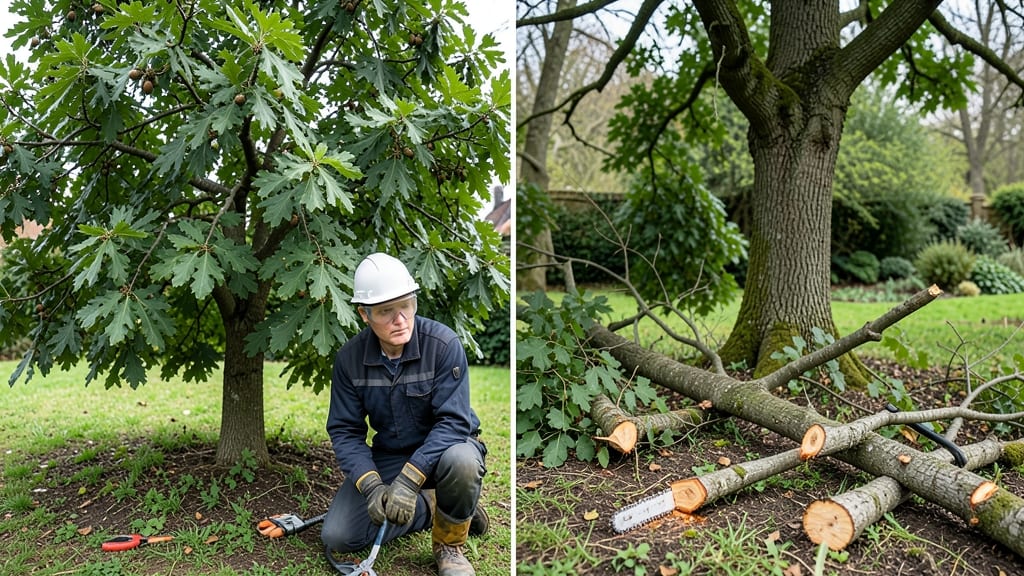
Tree lopping is important because it prevents overgrowth, removes dead or diseased branches, and reduces safety hazards like falling limbs while promoting healthier tree growth and longevity. Proper lopping also enhances sunlight exposure and air circulation for the tree’s canopy.
Tree lopping isn't just about making your yard look neater—it's a vital practice for maintaining a tree's overall well-being. 🌳 When done correctly, selective pruning encourages new growth by redirecting energy to healthier branches while eliminating weak or infected ones.
This process also prevents the spread of disease and pests, which can quickly turn a small issue into a full-blown problem. I've seen firsthand how proper lopping can transform a struggling tree into a thriving one within just a few seasons.
Beyond health benefits, lopping plays a crucial role in safety. Overgrown branches can become hazardous projectiles during storms, potentially damaging property or injuring people. Regular maintenance reduces these risks significantly. For instance, trees near power lines require especially careful attention to prevent electrical hazards.
While DIY lopping is possible for small branches, larger trees often need professional arborists to ensure proper technique and safety protocols are followed.
💡 In This Article
- How Tree Lopping Improves Tree Health and Longevity
- Safety Risks of Ignoring Tree Lopping and Prevention Tips
How tree lopping improves tree health and longevity
Tree lopping isn't just about trimming branches—it's a strategic process that directly impacts a tree's biological health. When arborists remove dead or diseased limbs, they're essentially performing surgery to prevent the spread of pathogens.
For example, a single infected branch can harbor fungal spores or bacterial infections that would otherwise travel through the tree's vascular system, potentially killing it.
The key is timing: removing infected wood during the dormant season (late fall to early spring) minimizes stress on the tree while preventing disease from taking hold. 🌿
Selective pruning also stimulates new growth by redirecting the tree's energy toward healthier branches. Imagine a tree's growth like a network of pipes—when you remove a clogged section (dead wood), water (nutrients) flows more efficiently to the remaining healthy parts.
Studies show that proper lopping can increase a tree's lifespan by up to 30% by reducing structural weaknesses. For instance, removing crossing branches prevents future breakage, while thinning the canopy improves air circulation—critical for preventing fungal infections like powdery mildew.
Structure matters just as much as health. Trees naturally grow with a central leader (main trunk) and scaffold branches that form a balanced shape. When left unchecked, branches grow unevenly, creating weak crotches where limbs can split under storm conditions.
Professional lopping maintains this natural structure by removing water sprouts (fast-growing, weak shoots) and suckers (shoots from the base), which compete for nutrients. I've seen oak trees with improper lopping develop massive, unstable branches that eventually snap—costly mistakes that could've been prevented with proper technique.
One common mistake is over-pruning, which stresses the tree by removing too much foliage at once. A general rule is to never remove more than 25% of the tree's canopy in a single session.
For instance, a mature maple might have 100 branches—removing more than 25 would be like cutting off a quarter of your arm muscles; the tree simply can't recover. Improper cuts also create wounds that don't heal properly, inviting decay.
Always use the three-cut method for larger branches: an undercut, a top cut, and a final removal cut to avoid tearing the bark.
The right tools make all the difference. Sharp, clean cuts with pruning shears or a chainsaw (for larger branches) prevent tearing that introduces disease. Disinfecting tools between cuts is crucial—spraying with a 10% bleach solution kills pathogens that could spread.
For example, if you're lopping a fruit tree like an apple, switching tools between trees prevents cross-contamination of bacterial blight. The goal is to work with the tree's natural growth patterns, not against them.
Seasonal considerations play a role too. Spring is ideal for most trees because the sap is flowing, and new growth can quickly seal wounds. Evergreens, however, respond better to winter lopping when they're dormant.
The right approach depends on the species—what works for a fast-growing willow (aggressive pruning) differs from a slow-growing oak (minimal, precise cuts). Always research or consult an arborist before starting.