
Advice
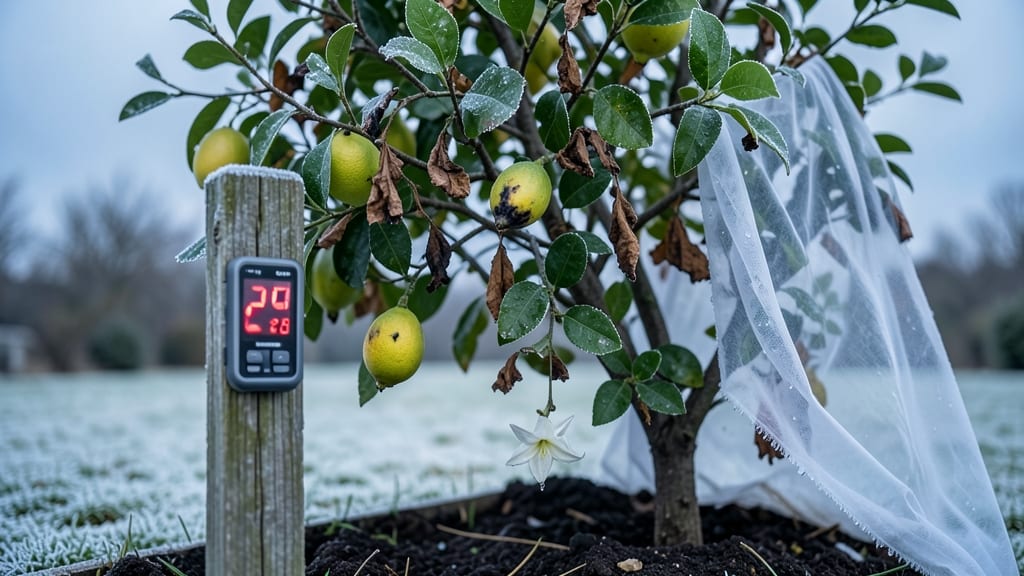
Can a lemon tree survive a freeze? Only if temperatures stay above 20°F (-6°C), with most varieties dying below 25°F (-4°C). Young trees are more vulnerable, while mature trees may recover if protected properly. Cold hardiness depends on the specific lemon cultivar and preparation steps taken before winter.
Lemon trees are tropical plants that struggle when temperatures drop, especially since their delicate leaves and stems can't handle frost. 🌱 The real danger comes when ice crystals form inside the plant's cells, disrupting their ability to transport water and nutrients.
I've seen mature Meyer lemons survive brief dips to 20°F with proper protection, but most standard lemon varieties won't make it below 25°F without significant damage.
The key difference between survival and death often comes down to how well you prepare the tree before winter and how quickly you can respond to dropping temperatures.
What's interesting is that lemon trees can actually recover from light freezes if you act fast. The roots, being underground, often survive better than the above-ground parts, which is why protecting the root zone with mulch or insulation can make all the difference.
I always recommend starting winter prep in early fall by wrapping the trunk and branches with frost cloth or bubble wrap—this creates a microclimate that can raise temperatures by several degrees. For areas with harsh winters, container-grown lemon trees give you the flexibility to move them indoors during freeze warnings.
💡 In This Article
- Lemon Tree Freeze Tolerance by Variety and Temperature Zones
- Protecting Lemon Trees from Freeze Damage: Step-by-Step Guide
Lemon tree freeze tolerance by variety and temperature zones
Lemon trees die in freezes primarily because their cells rupture when ice crystals form inside them—a process called intracellular freezing.
The plant's vascular system, which transports water and nutrients, becomes blocked by these ice formations, effectively starving the tree from within. 🌱 Even if the leaves appear undamaged, the root system can suffer irreversible harm when soil temperatures drop below 32°F (0°C), as the roots' ability to absorb water shuts down completely.
The hardiness of lemon trees varies dramatically by cultivar. Meyer lemons are the most cold-tolerant variety, capable of surviving brief exposures to 18°F (-7°C) with proper protection, while standard Eureka or Lisbon lemons typically succumb to damage below 25°F (-4°C).
This difference stems from Meyer lemons' hybrid genetics, which include cold-hardy citrus relatives. In USDA zones 9-11, lemon trees can thrive outdoors year-round, but in zones 8 and below, they require winter protection or indoor overwintering.
What's often overlooked is how wind exacerbates freeze damage. Moving air accelerates heat loss from the tree's surface, which is why windbreaks or frost blankets become essential during cold snaps.
I've seen 20°F (-6°C) temperatures cause minimal damage to a well-protected Meyer lemon, while an unprotected tree in the same area suffered complete defoliation. The key is creating a 3-4°F (1.5-2°C) warmer microclimate around the tree's critical areas—the trunk, branches, and root flare.
Root exposure is another silent killer. When soil freezes, the roots can't absorb water, leading to dehydration even if the air temperature isn't extreme.
This is why mulching with 4-6 inches of organic matter (like straw or wood chips) is crucial—it insulates the soil and maintains temperatures 5-10°F warmer than the surrounding air. In container-grown trees, moving pots to sheltered locations or wrapping them in insulating materials can prevent root damage entirely.
For gardeners in marginal zones (USDA 8b-9a), choosing the right variety makes all the difference. Improved Meyer lemons (a cold-hardy hybrid) can handle 15°F (-9°C) for short periods, while Ponderosa lemons (a larger, hardier variety) tolerate 20°F (-6°C) better than standard types.
The trade-off? These hardier varieties often produce smaller, less acidic fruit—but the survival advantage in cold climates is undeniable. 🍋
Even in ideal conditions, lemon trees need time to acclimate. If you're pushing the limits of their hardiness, start preparing in late September by reducing watering to harden the wood and applying a 2-inch layer of mulch.
This gradual adjustment helps the tree's cells produce more protective sugars, improving its freeze resistance by 2-3°F compared to unprepared trees.