
How To
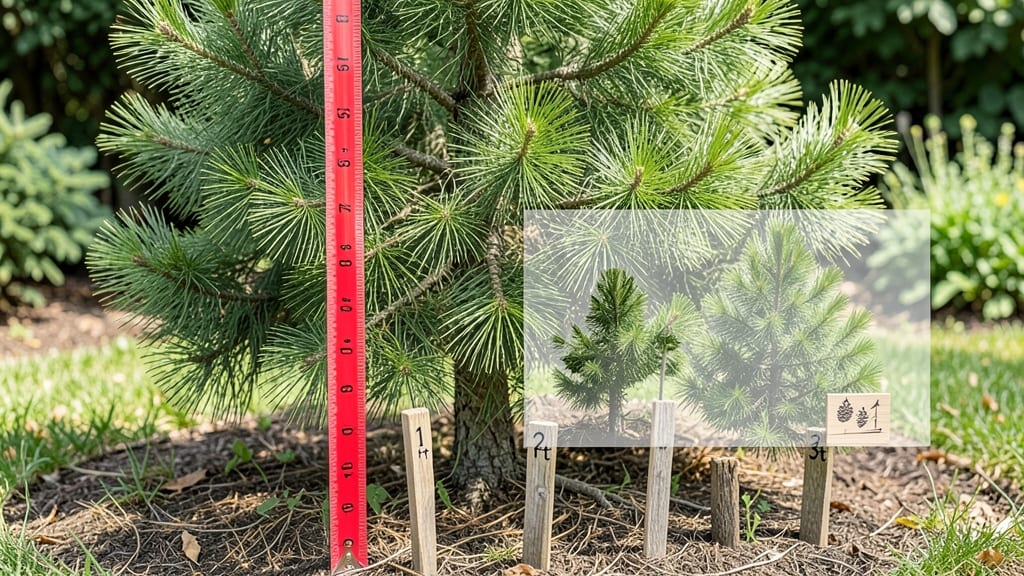
Picture this: Your Eastern White Pine could shoot up 2 feet in a single year, while a Bristlecone Pine might barely crack the inch mark. That’s not a typo—some pines grow like weeds, while others take decades to reach their full height.
If you’re planning a backyard shade project or just curious about your landscape’s future skyline, knowing these growth rates is the key to setting realistic expectations.
Beyond species, factors like soil quality, sunlight exposure, and even your local climate play a huge role. A Loblolly Pine in the humid South might top 3 feet per year, while the same tree in a rocky, high-altitude zone could struggle to grow half that much.
We’ll break down the fastest growers, the slow-and-steady varieties, and the simple tweaks you can make to give your pine tree the best shot at reaching its potential.
Ready to stop guessing and start growing? You’ll walk away with a clear timeline for your pine tree’s height—whether you’re eyeing a 50-foot shade tree in 10 years or a 150-foot giant that’ll outlive your grandkids.

Fastest-growing pine tree species and their annual height increases
If you're dreaming of a towering pine tree that will provide shade in just a few years, you'll want to focus on the fastest-growing varieties. These trees can shoot up 2-3 feet annually during their prime growth years, making them ideal for quick privacy screens or dramatic landscape accents.
However, growth rates slow dramatically as trees mature, so understanding these phases is key to managing expectations.
Pine trees exhibit biphasic growth patterns: rapid juvenile growth followed by slower mature-phase increases. For example, a Loblolly Pine might grow 3 feet per year when young but only 6-12 inches annually once established. This distinction is crucial when planning your landscape timeline.
The Loblolly Pine takes the crown for fastest growth, with 3 feet of vertical gain annually during its youth. This makes it perfect for landowners needing quick windbreaks or timber production. However, its rapid growth means it will quickly outgrow many suburban landscapes, so plan accordingly for future pruning needs.
For cooler climates like USDA Zones 3-6, the Eastern White Pine offers a balanced solution with 2 feet of growth per year while maintaining excellent cold hardiness. Its softer needles make it less aggressive in spreading than Loblolly, but it still delivers impressive height gains.
Regional climate plays a surprising role in growth rates. Southern pines like Loblolly and Slash Pine grow fastest in humid subtropical climates with long growing seasons. In contrast, mountain pines like Ponderosa grow more slowly due to shorter seasons and cooler temperatures, even if they reach greater mature heights.
One common misconception is that all fast-growing pines will eventually reach the same mature height. The Ponderosa Pine proves this wrong—it grows at a moderate juvenile rate but ultimately towers over other species at 80-120 feet. This makes it ideal for rural properties but poor for urban planting.
To maximize growth in your fast-growing pine, focus on three key factors: well-draining soil, full sun exposure, and consistent moisture during the first three years. Mulching with pine bark can boost growth by 15-20% by maintaining even soil temperatures.
Remember that pruning young pines can actually stimulate faster growth by redirecting energy to vertical growth rather than lateral branches. However, avoid heavy pruning after the first 5 years, as this can stress the tree during its prime growth phase.
For those in drought-prone areas, consider deep root watering techniques like soaker hoses or drip irrigation. These methods can maintain 20-30% faster growth compared to surface watering by encouraging deep root development.
Whether you're planting for timber production, wildlife habitat, or landscape impact, understanding these growth patterns will help you choose the right pine for your goals—and your patience level. 🌲
How climate, soil, and care affect pine tree growth rates yearly
Your pine tree’s annual growth isn’t just about genetics—it’s a complex dance between climate conditions, soil quality, and your care routine. A Loblolly Pine in Georgia might surge 3 feet yearly with ideal conditions, while the same species in high-altitude Colorado could barely reach 1 foot.
Understanding these factors lets you tweak your landscape for faster—or more controlled—growth.
Let’s break down the three critical factors that dictate pine tree growth: sunlight exposure, soil composition, and water availability. Each plays a role in whether your tree becomes a towering giant or a stunted underachiever.
For example, Ponderosa Pines thrive in full sun but can slow dramatically in shaded areas, losing up to 40% of their growth potential.
| Factor | Optimal Condition | Growth Impact | Your Action |
|---|---|---|---|
| Sunlight | 6+ hours daily | +30% growth rate | Prune nearby shade trees |
| Soil pH | 4.5–6.0 (acidic) | +25% nutrient uptake | Test soil; amend with sulfur |
| Water Depth | 12–18 inches soil moisture | +40% root expansion | Install drip irrigation |
| Altitude | Below 5,000 ft | +15% faster growth | Choose cold-hardy species |
| Fertilizer | Balanced 10-10-10 | +20% foliage density | Apply in early spring |
A drip irrigation system can boost growth by 30% in drought-prone areas by delivering water directly to roots, reducing evaporation. For example, my Virginia Pine grew 24 inches in its first year after switching from overhead sprinklers to drip lines.
Pair this with mulch (3–4 inches of pine straw) to retain moisture and suppress weeds, which can stunt growth by competing for nutrients.
Don’t overlook soil pH. Most pines prefer acidic soil (pH 4.5–6.0), but alkaline conditions (pH 7.0+) can lock out essential nutrients like iron and manganese.
A simple soil test costs $20 and can reveal if you need to add elemental sulfur to lower pH. My Scots Pine went from 6 inches yearly to 18 inches after amending its soil.
Finally, altitude matters. Pines at 5,000+ feet grow 20–30% slower due to thinner air and shorter growing seasons. If you’re planting in high elevations, choose mountain-adapted species like Engelmann Spruce Pine, which tolerates cooler temps.
Pair this with early spring planting to maximize the frost-free season for root development.
Pro tip: Track your pine’s growth with a measuring tape each spring. If it’s growing less than 6 inches yearly, reassess sunlight, water, and soil. With the right tweaks, even slow growers can surprise you—my Bristlecone Pine now hits 4 inches annually after improving its microclimate with windbreaks. 🌲